How to Invest Your First 1000 Dollars
By HealthFinanceUSA Editorial Team | June 24, 2026
Advertisement
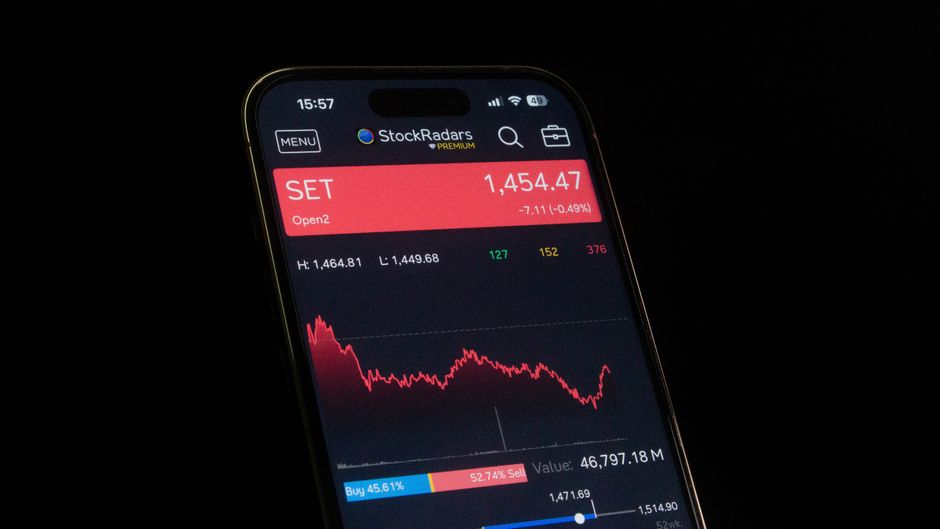
How to Invest Your First 1000 Dollars: A Comprehensive Guide
Investing your first 1000 dollars may seem daunting, but it's a great step towards securing your financial future. With so many investment options available, it's essential to understand the basics and make informed decisions. In this article, we'll break down the process of investing your first 1000 dollars into manageable steps, covering the different types of investments, risks, and benefits.Understanding Your Investment Goals
Before investing, it's crucial to define your financial objectives. What do you want to achieve with your investment? Are you looking for long-term growth, short-term gains, or a steady income stream? Your goals will help you determine the right investment strategy and risk tolerance.Determining Your Risk Tolerance
Risk tolerance refers to your ability to handle market fluctuations and potential losses. Consider the following factors to determine your risk tolerance:- Financial situation: If you're living paycheck to paycheck, you may want to avoid high-risk investments.
- Time horizon: If you have a long-term perspective, you can afford to ride out market fluctuations.
- Emotional stability: If you get anxious about market volatility, you may want to opt for more conservative investments.
Investment Options for Beginners
As a beginner, you'll want to focus on low-cost, easily accessible investments. Here are some popular options:Bonds and CDs
Bonds and certificates of deposit (CDs) are fixed-income investments that offer a relatively low-risk option for beginners. They typically offer a fixed interest rate and a return of principal at maturity.- Bonds: Government and corporate bonds offer a relatively low-risk option with a fixed interest rate.
- CDs: Time deposits offered by banks with a fixed interest rate and a specified term.
Stocks and ETFs
Stocks and exchange-traded funds (ETFs) are popular investment options for beginners. They offer a relatively low-cost way to invest in the stock market.- Individual Stocks: Invest in established companies like Apple, Amazon, or Google.
- ETFs: Diversified portfolios of stocks, bonds, or commodities.
Real Estate and Peer-to-Peer Lending
Real estate and peer-to-peer lending offer alternative investment options for beginners.- Real Estate Investment Trusts (REITs): Invest in a diversified portfolio of properties.
- Peer-to-Peer Lending: Lend money to individuals or businesses through platforms like Lending Club or Prosper.
Choosing the Right Brokerage Account
To invest your first 1000 dollars, you'll need a brokerage account. Consider the following factors when choosing a brokerage account:- Fees: Look for low or no trading fees, maintenance fees, and account minimums.
- Investment options: Ensure the brokerage account offers a range of investment options that align with your goals and risk tolerance.
- Mobile trading: Consider a brokerage account with a user-friendly mobile trading platform.
- Fidelity: Offers a range of investment options, low fees, and a user-friendly mobile trading platform.
- Robinhood: Known for its commission-free trading and low fees.
- Ally Invest: Offers a range of investment options, low fees, and a user-friendly mobile trading platform.
Investing Your First 1000 Dollars
Now that you've chosen a brokerage account and understood your investment options, it's time to invest your first 1000 dollars. Here's a step-by-step guide:Step 1: Fund Your Account
Transfer your initial investment of 1000 dollars into your brokerage account.Step 2: Set Your Investment Strategy
Determine your investment strategy based on your goals, risk tolerance, and time horizon.Step 3: Choose Your Investments
Select a mix of investments that align with your strategy, such as bonds, stocks, ETFs, or real estate.Step 4: Monitor and Adjust
Regularly review your portfolio to ensure it remains aligned with your goals and risk tolerance. Adjust your strategy as needed.Common Mistakes to Avoid
As a beginner, it's essential to avoid common mistakes that can cost you money:Putting All Your Eggs in One Basket
Diversify your portfolio to minimize risk.Not Having a Long-Term Perspective
Investing is a long-term game; avoid making impulsive decisions based on short-term market fluctuations.Not Monitoring Your Portfolio
Regularly review your portfolio to ensure it remains aligned with your goals and risk tolerance.Conclusion
Investing your first 1000 dollars is a great step towards securing your financial future. By understanding your investment goals, determining your risk tolerance, and choosing the right investment options, you'll be well on your way to achieving your financial objectives. Remember to avoid common mistakes, monitor your portfolio, and adjust your strategy as needed. Happy investing!Advertisement